Info:
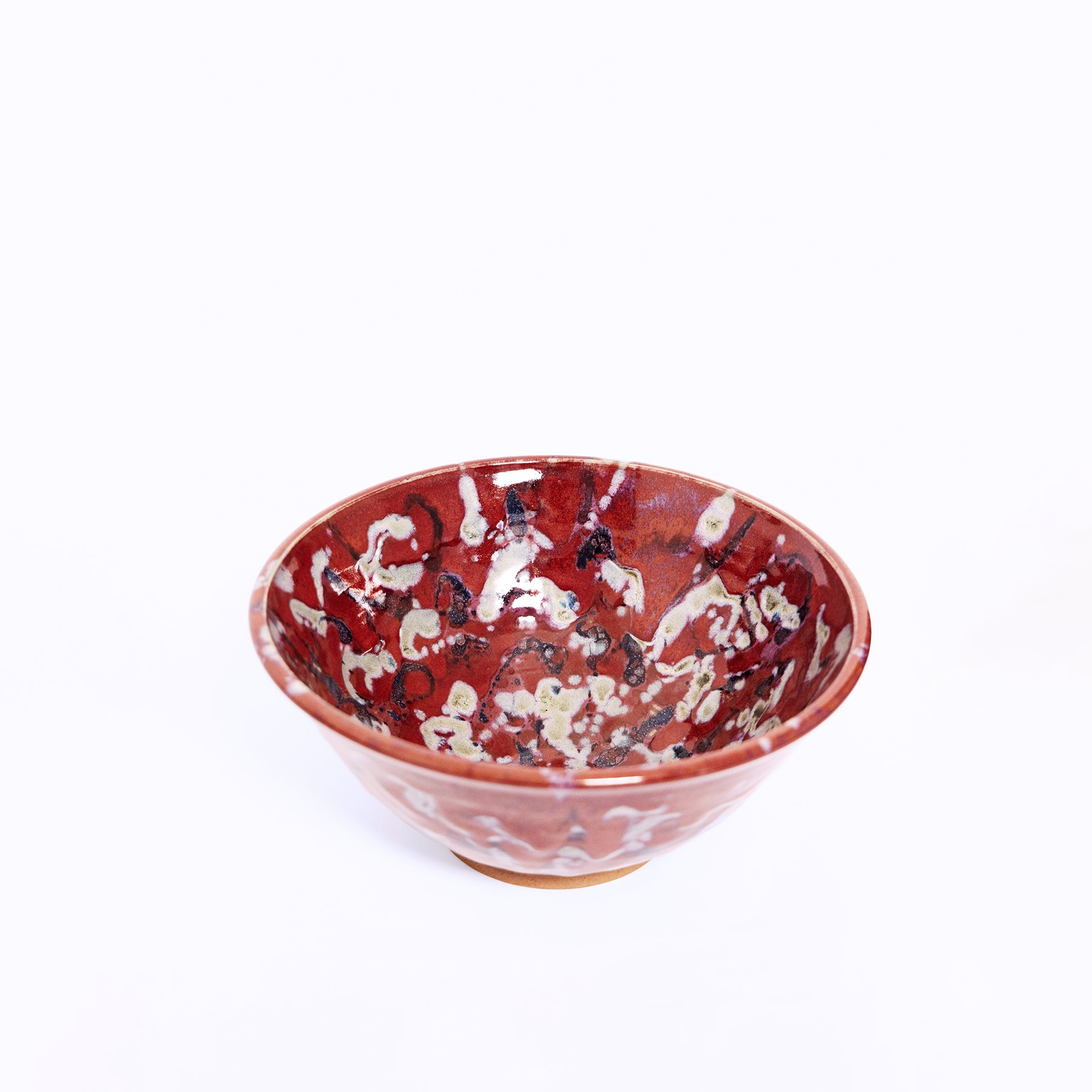
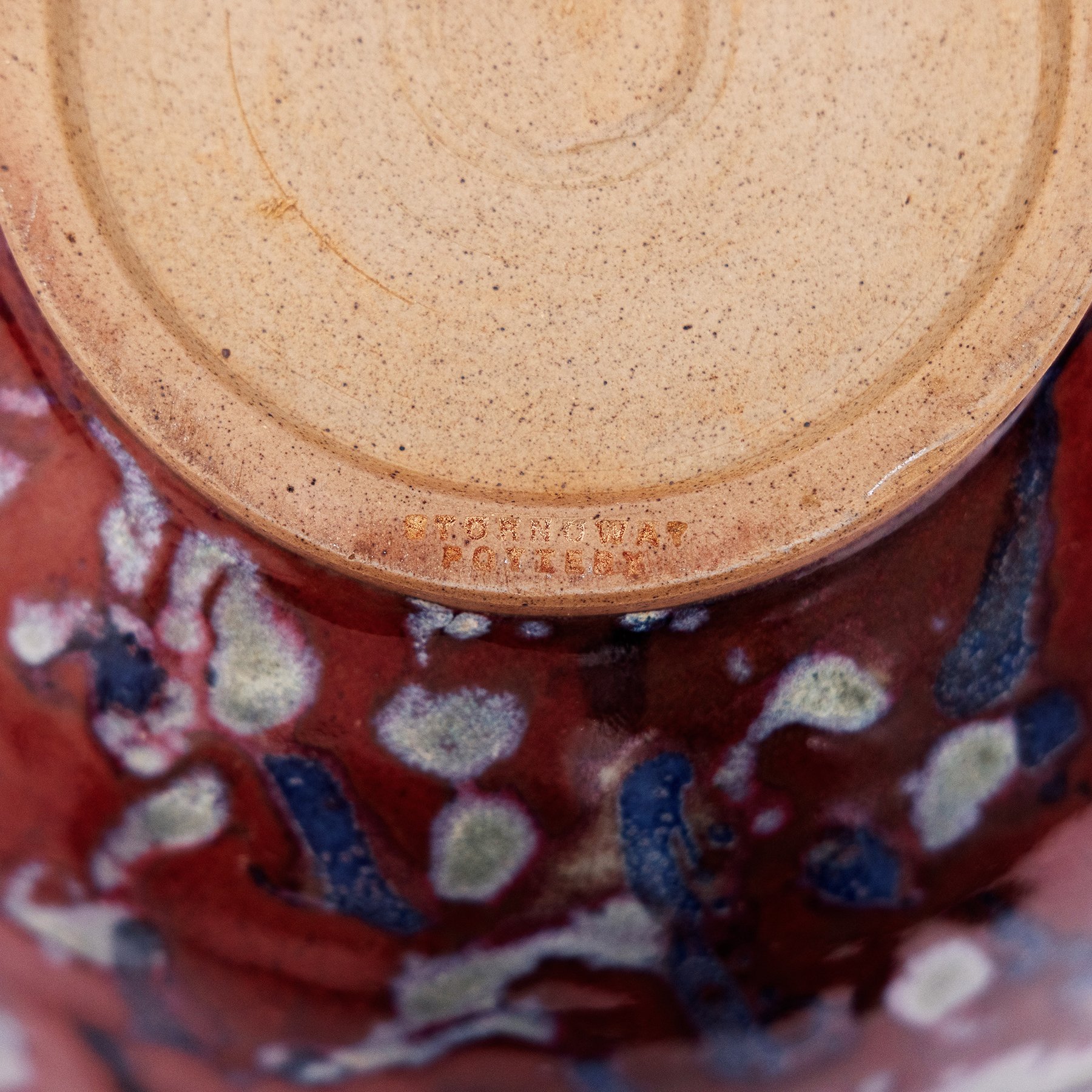
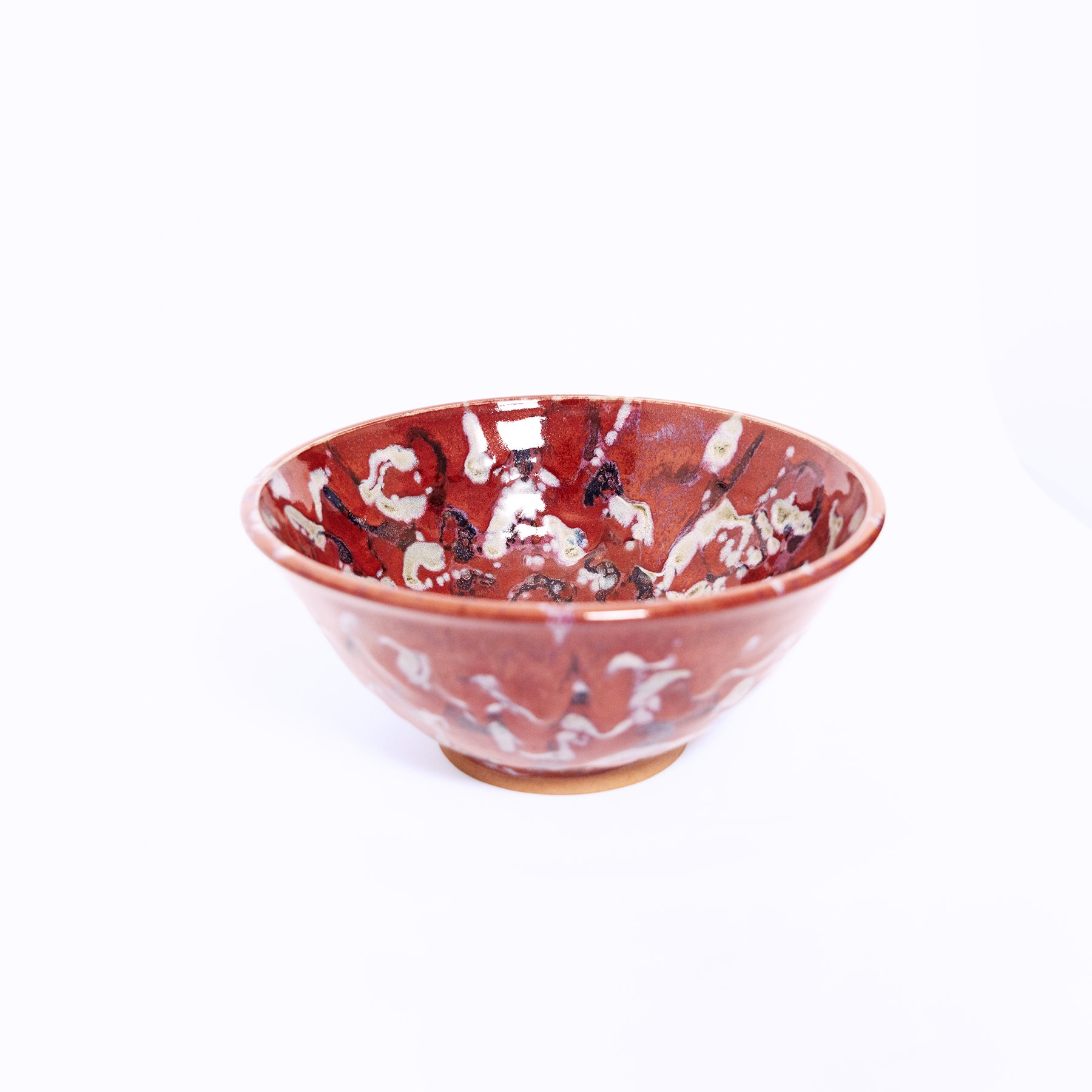
This pottery bowl is attributed to the Stornoway (often misspelled “Stornway”) ceramics tradition of the Isle of Lewis in Scotland, an area known for small-scale studio pottery rooted in hand-thrown production and regional craft culture. Local workshops such as Borgh Pottery, established in 1974 in Stornoway, specialize in hand-thrown and hand-built vessels made using traditional techniques and offered in a variety of subdued, natural glazes.
The Hebridean pottery movement developed around independent makers producing functional stoneware for everyday use—dinnerware, bowls, and one-off studio pieces—rather than mass-manufactured ceramics. Craft activity in the Stornoway area continues through centres such as the Coll Pottery Craft Centre, where ceramics are still made locally and presented alongside other regional crafts, emphasizing handmade production within the Western Isles.
Historically, the original Coll Pottery operated as a successful ceramics business exporting its wares internationally before closing in the early 2000s, leaving a legacy that today’s craft studios build upon.
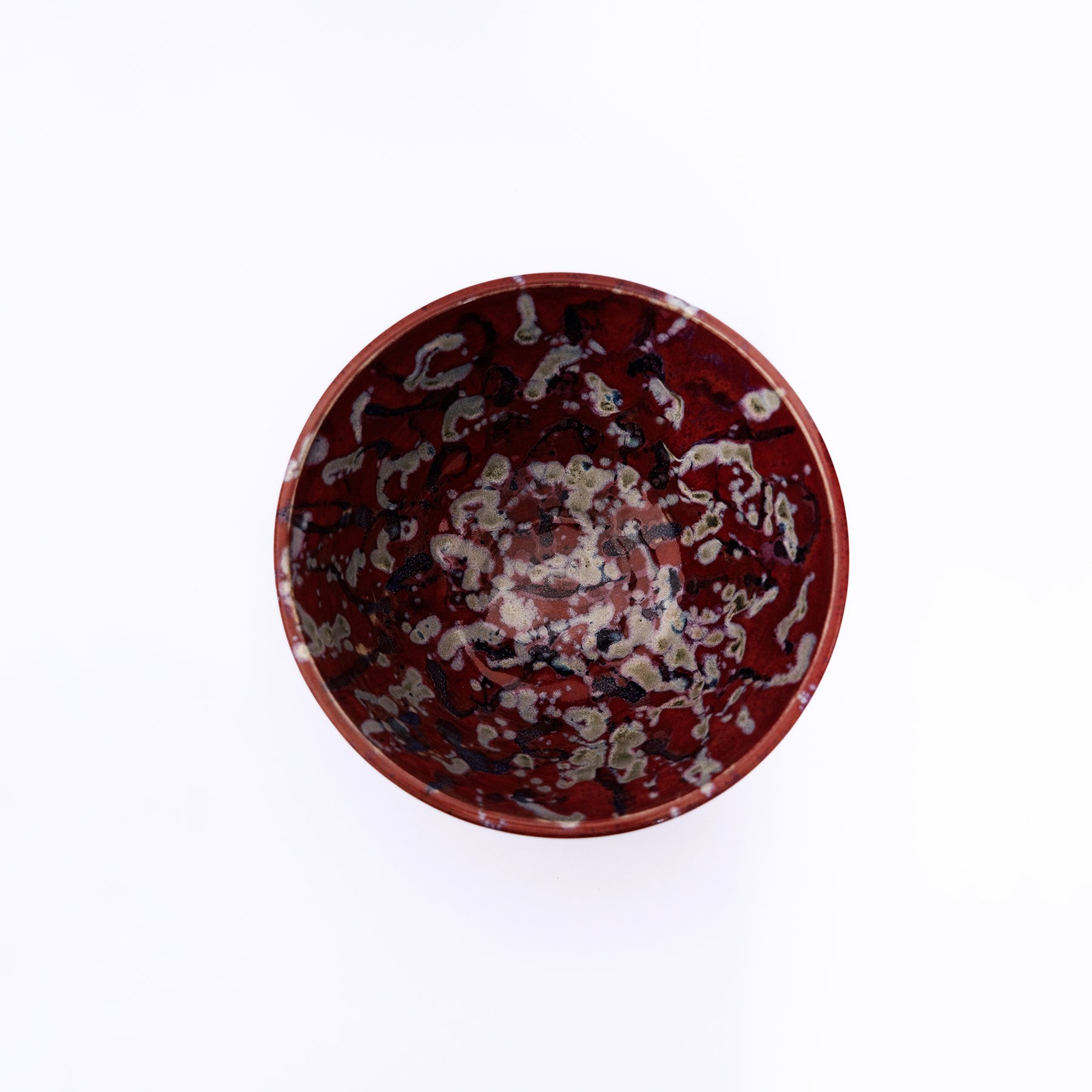
Typical bowls from this context were wheel-thrown, individually finished, and designed to balance practical domestic use with the aesthetic of studio pottery—subtle glazing, tactile surfaces, and slight variations that reflect the handmade process rather than factory uniformity.
Material:
Glazed studio pottery (stoneware or earthenware typical of Hebridean production).
Technique:
Hand-thrown and hand-finished using traditional studio methods, resulting in individual variations in form and glaze.
Origin:
Stornoway, Isle of Lewis, Outer Hebrides, Scotland.
Period:
Late 20th century (consistent with the active period of local studios from the 1970s onward).
Style:
British studio pottery — functional craft object combining utilitarian purpose with handmade character.
Use:
Designed for everyday service or display, reflecting the studio tradition of producing durable domestic ware rather than purely decorative ceramics.
Condition:
Vintage condition consistent with handmade studio pottery. Minor irregularities in glaze or form are inherent to the making process and are considered part of the object’s authenticity.
Info:
This pottery bowl is attributed to the Stornoway (often misspelled “Stornway”) ceramics tradition of the Isle of Lewis in Scotland, an area known for small-scale studio pottery rooted in hand-thrown production and regional craft culture. Local workshops such as Borgh Pottery, established in 1974 in Stornoway, specialize in hand-thrown and hand-built vessels made using traditional techniques and offered in a variety of subdued, natural glazes.
The Hebridean pottery movement developed around independent makers producing functional stoneware for everyday use—dinnerware, bowls, and one-off studio pieces—rather than mass-manufactured ceramics. Craft activity in the Stornoway area continues through centres such as the Coll Pottery Craft Centre, where ceramics are still made locally and presented alongside other regional crafts, emphasizing handmade production within the Western Isles.
Historically, the original Coll Pottery operated as a successful ceramics business exporting its wares internationally before closing in the early 2000s, leaving a legacy that today’s craft studios build upon.
Typical bowls from this context were wheel-thrown, individually finished, and designed to balance practical domestic use with the aesthetic of studio pottery—subtle glazing, tactile surfaces, and slight variations that reflect the handmade process rather than factory uniformity.
Material:
Glazed studio pottery (stoneware or earthenware typical of Hebridean production).
Technique:
Hand-thrown and hand-finished using traditional studio methods, resulting in individual variations in form and glaze.
Origin:
Stornoway, Isle of Lewis, Outer Hebrides, Scotland.
Period:
Late 20th century (consistent with the active period of local studios from the 1970s onward).
Style:
British studio pottery — functional craft object combining utilitarian purpose with handmade character.
Use:
Designed for everyday service or display, reflecting the studio tradition of producing durable domestic ware rather than purely decorative ceramics.
Condition:
Vintage condition consistent with handmade studio pottery. Minor irregularities in glaze or form are inherent to the making process and are considered part of the object’s authenticity.